


Top Inventory Management Systems of 2026:
A Comprehensive Guide for Businesses
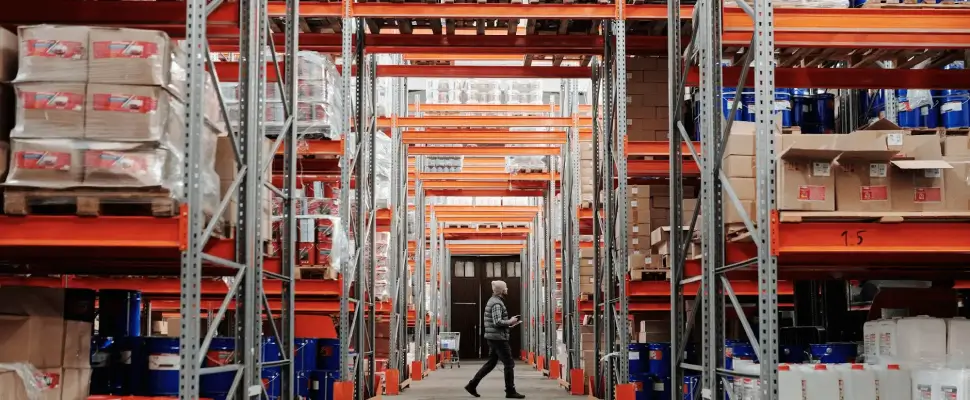
Disclosure: This guide is published by BarCloud, one of the vendors compared below. Vendors are listed alphabetically, not ranked.
In today’s fast-paced business environment, efficient inventory management is crucial for maintaining profitability and customer satisfaction. As companies of all sizes continue to adapt to digital transformation, choosing the right inventory management system can significantly impact operational success. The year 2026 brings a new wave of advanced technologies and improved features designed to streamline inventory control, reduce errors, and provide real-time visibility.
This comprehensive guide explores the top inventory management systems of 2026, helping you make an informed decision to optimize your supply chain and inventory processes. We will delve into each system’s key features, pricing models, industry suitability, and integrations, ensuring you find a solution that aligns perfectly with your business needs.
Why Inventory Management Systems Matter in 2026
Inventory management systems have evolved far beyond simple stock tracking. Modern solutions integrate artificial intelligence, cloud computing, and IoT to provide dynamic, scalable, and data-driven inventory control. Here are some reasons why selecting the right inventory management system is more important than ever:
- Real-Time Inventory Visibility: Businesses require up-to-the-minute data to meet customer demand without overstocking or stockouts.
- Automation of Routine Tasks: Automated reorder points, invoicing, and reporting reduce human error and save time.
- Integration with Other Business Systems: Seamless integration with ERP, e-commerce platforms, and accounting software streamlines workflows.
- Scalability for Growth: As businesses expand, inventory systems must handle increasing SKUs and complex supply chains.
- Advanced Analytics: Data-driven insights help optimize stock levels, forecast demand, and improve purchasing decisions.
Related: how an inventory management system and a barcode inventory system work in BarCloud.
Criteria for Selecting the Best Inventory Management Systems
Before diving into the top systems, it’s essential to understand the evaluation criteria used to compare these solutions:
- Ease of Use: Intuitive user interface and minimal learning curve.
- Feature Set: Core capabilities like tracking, reporting, barcode scanning, multi-location management.
- Integration Capabilities: Compatibility with popular ERP, CRM, POS, and e-commerce platforms.
- Customization: Ability to tailor workflows and reports to specific business needs.
- Scalability: Suitability for small businesses to enterprises.
- Pricing: Cost-effectiveness relative to features offered.
- Customer Support: Availability of training, onboarding, and responsive technical assistance.
- Security: Data protection measures and compliance with industry standards.
- Cloud vs. On-premise Options: Flexibility in deployment to meet IT infrastructure preferences.
How we compared the systems
We included nine inventory management systems that US organizations commonly use, covering a range of business sizes and needs, from small teams to large enterprises. We compared each system against the criteria above using the vendor’s own website, pricing page, and public documentation, last checked October 13, 2026. Prices are the vendors’ published list prices in US dollars and exclude taxes and processing fees. Plans change often, so confirm current pricing with each vendor.
Top Inventory Management Systems of 2026
BarCloud (formerly ASAP Systems)
BarCloud (formerly ASAP Systems) combines inventory and asset management in one configurable platform. It is used by government, education, military, and corporate organizations.
- Cloud-based and on-premise options for maximum flexibility
- Barcode scanning, stock audits, and real-time asset tracking
- Configurable workflows to fit any organization’s operations
- Multi-location and multi-user capabilities with role-based access
- Integration with systems like Office365, Google Workspace, Quickbooks, Shopify, and more
Cin7
Cin7 provides an all-in-one cloud inventory and point-of-sale system tailored to retailers, wholesalers, and manufacturers.
- Real-time inventory updates across sales channels
- POS integration and warehouse management
- Built-in EDI for supplier communication
- Extensive integrations with e-commerce platforms and accounting software
- Mobile app and barcode scanning functionality
Cin7 suits businesses requiring a unified inventory and sales platform with extensive third-party integrations.
Fishbowl Inventory
Fishbowl Inventory is a popular solution for manufacturers and wholesalers requiring advanced inventory and manufacturing features.
- Supports work orders, bill of materials, and manufacturing tracking
- Integrates with QuickBooks and Xero for accounting
- Multi-location inventory and serial number tracking
- Barcode scanning and mobile app support
- On-premise and cloud deployment options
Fishbowl is ideal for businesses with complex manufacturing or warehousing needs who want tight integration with accounting software.
NetSuite Inventory Management
NetSuite, a product of Oracle, is a cloud ERP provider that offers a robust inventory management module designed for mid-sized to large enterprises. Its key strengths include real-time inventory tracking, demand planning, and seamless integration with financial and CRM systems.
- Real-time visibility across multiple warehouses and channels
- Automated replenishment and demand forecasting
- Built-in analytics and customizable dashboards
- Strong multi-currency and multi-location support
- Cloud-based with mobile access
NetSuite is ideal for businesses seeking a comprehensive, scalable solution that integrates financials and inventory management under one platform.
Odoo Inventory
Odoo Inventory is part of the Odoo ERP suite and offers a modular, open-source inventory system ideal for companies preferring customizable software.
- Advanced routing and drop-shipping features
- Multi-warehouse and multi-company support
- Integration with other Odoo modules (Sales, Manufacturing, Accounting)
- Barcode scanning and automated replenishment
- Flexible deployment: cloud or on-premise
Odoo Inventory is well-suited for businesses seeking a highly customizable and integrated ERP solution.
QuickBooks Inventory
QuickBooks Inventory is part of QuickBooks Online and Desktop versions, providing basic inventory tracking for small businesses.
- Simple inventory tracking with cost tracking
- Integration with QuickBooks accounting software
- Supports barcode scanning and reorder alerts
- Easy invoicing and sales tracking
- Cost-effective for small retailers and service providers
QuickBooks Inventory is best for small businesses already using QuickBooks for accounting who need basic inventory management.
SAP Business One Inventory Management
SAP Business One is a robust ERP designed for small to medium enterprises, offering powerful inventory and supply chain management.
- Real-time inventory tracking and batch/serial number management
- Demand forecasting and automated replenishment
- Integration with SAP’s wider ERP ecosystem
- Comprehensive reporting and analytics
- Scalable for growing businesses
SAP Business One is ideal for companies needing a proven ERP with strong inventory controls.
Square for Retail
Square for Retail combines point-of-sale and inventory management tailored for retail businesses of all sizes.
- Real-time inventory updates synced with POS
- Vendor management and purchase orders
- Multi-location stock tracking
- Mobile inventory management app
- Affordable pricing with flexible features
Square for Retail is suited to retailers needing an integrated POS and inventory system with simple scalability.
Zoho Inventory
Zoho Inventory stands out as an affordable yet powerful system, perfect for small to medium-sized businesses. It offers multi-channel selling support, order management, and shipping integrations.
- Easy-to-use interface with quick onboarding
- Multi-channel order management (Amazon, eBay, Shopify)
- Barcode scanning and batch tracking
- Integration with Zoho’s CRM, Books, and other apps
- Affordable pricing with flexible plans
Zoho Inventory is a great choice for startups and SMBs looking for seamless e-commerce integration and inventory control.
Comparison Table of Top Inventory Management Systems
Rows are re-ordered alphabetically. Pricing cells are updated from each vendor’s pricing page, checked October 13, 2026.
| System Name | Best For | Deployment | Key Features | Pricing Range (last checked 10/13/2026) | Integration Highlights |
|---|---|---|---|---|---|
| BarCloud | SMBs to Enterprises | Cloud/On-premise | Barcode scanning, real-time tracking, workflow customization | Custom pricing | Office365, Google Workspace, QuickBooks, Shopify, more |
| Cin7 | Retail, wholesale, manufacturing | Cloud | POS integration, EDI, multi-channel | Starting at $299/month | E-commerce, accounting systems |
| Fishbowl Inventory | Manufacturing, wholesale | Cloud/On-premise | Manufacturing tracking, QuickBooks integration | Starting at $4,395 one-time | QuickBooks, Xero |
| NetSuite | Large enterprises | Cloud | Real-time tracking, forecasting | Custom pricing | ERP, CRM, financials |
| Odoo Inventory | Customizable ERP users | Cloud/On-premise | Routing, multi-warehouse | Free to paid plans | Odoo modules |
| QuickBooks Inventory | Small businesses | Cloud/Desktop | Basic inventory, reorder alerts | Included in QuickBooks | QuickBooks accounting |
| SAP Business One | Growing SMBs | Cloud/On-premise | Demand forecasting, analytics | Custom pricing | SAP ERP ecosystem |
| Square for Retail | Retailers | Cloud | POS + inventory, multi-location | $60/month | Square POS |
| Zoho Inventory | SMBs, e-commerce | Cloud | Multi-channel, barcode scanning | $39–$249/month | Zoho apps, Shopify, Amazon |
Key Trends Shaping Inventory Management Systems in 2026
Inventory management technology is rapidly evolving, and these trends will define the marketplace in 2026:
- AI-Powered Demand Forecasting: Leveraging AI to predict consumer demand more accurately, minimizing overstock and stockouts.
- Cloud-First Solutions: Increased adoption of cloud-based systems for accessibility, scalability, and cost savings.
- Integration with IoT Devices: Real-time tracking of inventory via smart shelves, RFID tags, and sensors.
- Omnichannel Inventory Management: Seamless inventory visibility and synchronization across brick-and-mortar stores, e-commerce, and marketplaces.
- Mobile Inventory Management: Apps enabling inventory control from smartphones and tablets, improving flexibility for warehouse staff and field teams.
- Sustainability and Waste Reduction: Systems helping businesses optimize stock to reduce waste and promote sustainable practices.
- Enhanced Security Protocols: Ensuring data privacy and compliance with evolving regulations like GDPR and CCPA.
How to Choose the Right Inventory Management System for Your Business
Choosing the ideal inventory management system requires careful consideration of your unique business requirements. Follow these steps to make the best choice:
- Assess Your Current Inventory Challenges: Identify pain points such as inaccurate stock levels, slow order fulfillment, or integration issues.
- Define Your Business Size and Growth Plans: Select a system scalable enough to support your future needs.
- Prioritize Essential Features: Determine if you need manufacturing support, multi-location tracking, e-commerce integration, or mobile access.
- Consider Your Budget: Balance cost against functionality to ensure ROI.
- Evaluate Integration Needs: Ensure compatibility with your existing accounting, e-commerce, and ERP systems.
- Request Demos and Trials: Hands-on experience helps gauge usability and support quality.
- Check Customer Reviews and Support: Reliable customer service can be a critical factor in smooth implementation.
Frequently Asked Questions
What is the best inventory management system?
How do I choose an inventory management system?
What is the difference between inventory management and asset tracking?
Conclusion
Inventory management systems are foundational tools that help businesses maintain optimal stock levels, fulfill orders efficiently, and adapt to changing market demands. The nine inventory management systems highlighted in this guide offer a broad spectrum of features, pricing, and deployment options suitable for various industries and company sizes.
Whether you are a small retailer seeking simple tracking or a large manufacturer needing integrated ERP capabilities, there is a solution tailored to your needs. By understanding the latest trends and carefully evaluating your requirements, you can select an inventory management system that not only streamlines operations but also drives long-term business growth.
Investing time now in finding the right system will pay dividends in operational efficiency, customer satisfaction, and profitability throughout 2026 and beyond.
Sources
Vendor and pricing pages last checked October 13, 2026.
- BarCloud: Lite plan
- BarCloud: Standard plan
- BarCloud: Professional plan
- Cin7: Pricing
- Fishbowl: Pricing
- NetSuite: Inventory Management
- Odoo: Inventory
- QuickBooks Online: Pricing
- SAP: SAP Business One
- Square: Retail pricing
- Zoho Inventory: Pricing
- Independent: Best Inventory Management Software 2026, Capterra
How can we help?
Quick actions to find your perfect inventory system.
How can we help?
Quick actions to find your perfect inventory system.
Download the 2026 Comparison Guide
Get the full feature-by-feature breakdown — pricing, integrations, and ratings included.
Schedule a Free Consultation
An inventory expert will guide you through your options based on your specific needs.
Get a Demo & Free Trial
See how BarCloud's inventory system fits your business — book a personalized walkthrough.
Request a Quote
Tell us about your business and we'll send pricing tailored to your inventory needs.
Your download is starting…
If it doesn't begin automatically, click below.
Download PDFThanks — we'll be in touch.
A BarCloud specialist will reach out within one business day.