


Designed for Organizations That Require Strict Inventory Accountability
Built for multi-location enterprises, military / government agencies, and large organizations
BarCloud’s Enterprise Inventory Management Software is designed for organizations that require strict inventory accountability and multi-location visibility. Large enterprises, government agencies, military units, and global organizations often need to control inventory across multiple facilities while maintaining secure user access.
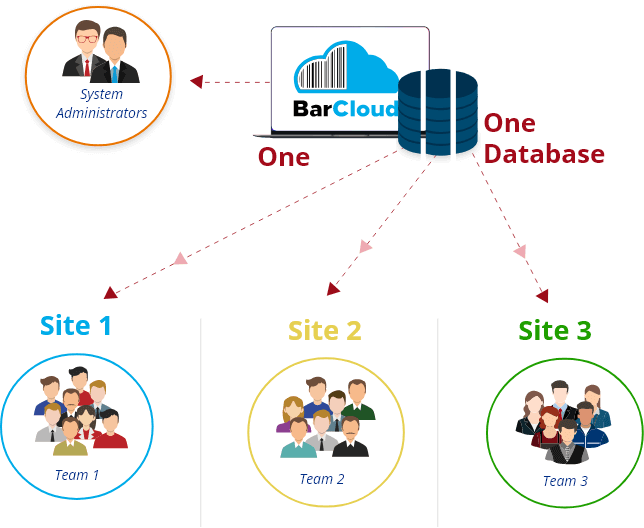
With enterprise user permissions, centralized oversight, and location-based access control, your organization can maintain accurate inventory records while allowing each department, warehouse, or site to operate independently.
This makes our system ideal for organizations that need:
- Multi-location inventory visibility
- Role-based user access
- Secure inventory control
- Enterprise-level reporting
- Centralized oversight with local management
Configure User Access Across Your Inventory System
Control who can view, edit, and manage inventory data
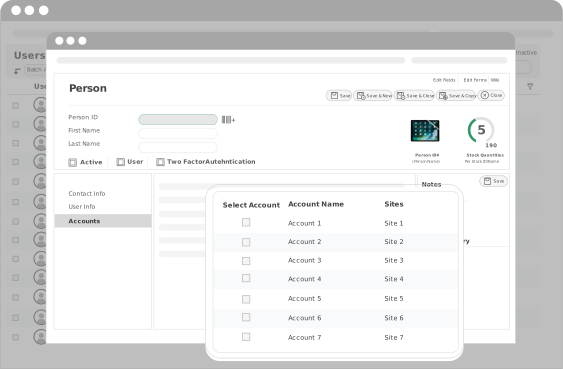
Large organizations often have many employees, departments, and storage locations using the same inventory platform. Not every user should have access to sensitive inventory or administrative data. That is why our Enterprise Inventory Management Software includes role-based access controls that help you assign the right level of visibility and responsibility to each user. Enterprise-level users can view and manage inventory activity across multiple standalone inventory systems within the organization, while local users only access the specific site, warehouse, stockroom, or location they are assigned to.
Types of Users
Learn about the different types of access for our Enterprise Inventory System
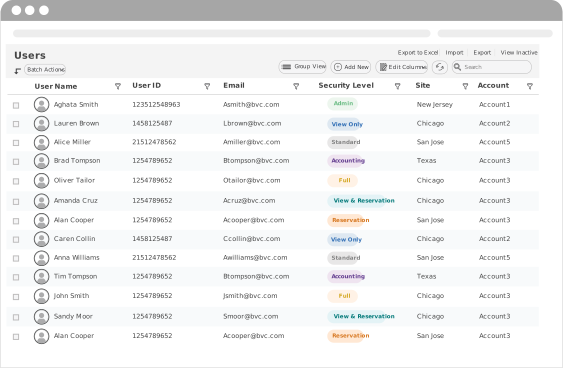
View Only Users
Users with View Only access can view inventory data without making changes.
Account Admin Users
Users with Admin access are able to view, add, edit, and delete inventory data within their assigned system.
Enterprise Admin Users
Users with Enterprise Admin access can manage users, user access and daily usage across multiple locations and systems.
Who Should Have Global Access to Your Inventory Data?
Limit enterprise-wide visibility to the right people
In our Inventory Management System for Enterprises, users that are assigned Enterprise access can regulate your employee’s security levels. Enterprise users can manage users and their access across many independent warehouses, stockrooms, and storage locations.
This allows you to restrict global inventory visibility to employees who need it most, such as corporate leadership, regional managers, operations directors, or other authorized decision-makers responsible for reporting, oversight, and strategic planning.
Edit and Manage Your Organization’s Global Inventory Data
Make enterprise-wide changes without extra manual work
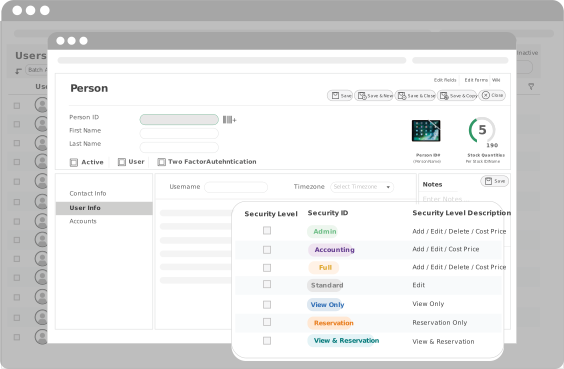
Our Inventory Management System strives to help you and your managers cut down unnecessary extra work when it comes to managing inventory data. That’s why we designed Enterprise User access to be able to edit, add, or deactivate any inventory item from any of your standalone systems. Any changes an Enterprise User makes will be recorded across your systems. This means that Enterprise Users can make the same changes to an inventory account as a local System Administrator.
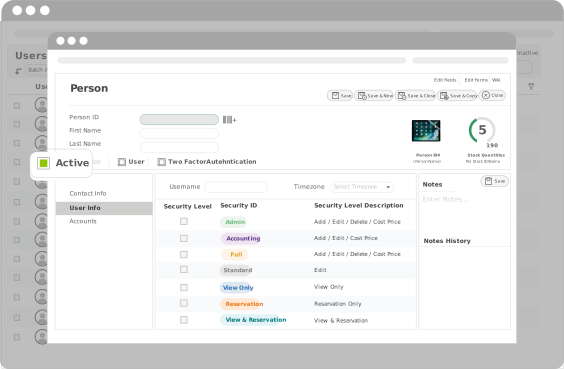
Active and Inactive User Status
Maintain user access as roles change over time
Active users are authorized users who can access the system based on their assigned permissions. As employees change roles, transfer locations, or leave the organization, their status can be updated to inactive. Keeping inactive users on record helps maintain user history and makes it easier to restore access if responsibilities change in the future.
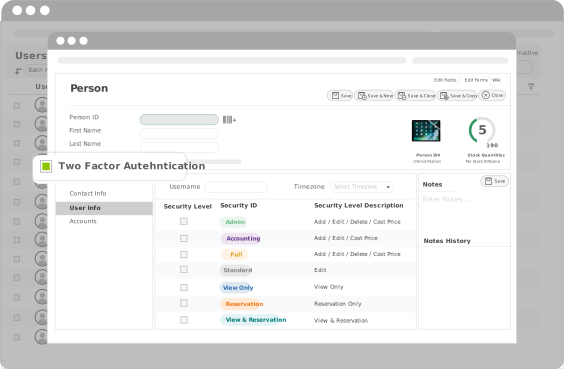
Two Factor Authentication
Add another layer of security to protect inventory data
Two-Factor Authentication helps protect sensitive inventory data by requiring an additional verification step when a user signs in from an unfamiliar device or location.
Enabling Two-Factor Authentication can help your organization:
- Reduce unauthorized access to inventory data.
- Strengthen user login security.
- Support standardized security practices across teams
- Lower the risk associated with weak or compromised passwords
Not just for inventory control
Explore what else you can do with our systems
In addition to inventory management, BarCloud also offers asset tracking software and combined solutions for organizations that need to manage both inventory and assets. Our scalable platform is built to support growing enterprises with multiple locations, users, and operational needs.
Schedule a demo to explore the best fit for your organization.